
- Why Designers Are Paying Attention to ChatGPT
- How ChatGPT Supports the Design Thinking Process
- Using ChatGPT for Concept Development and Visual Direction
- ChatGPT in UX and Interface Design
- Improving Creative Workflow Efficiency with ChatGPT
- Limitations of ChatGPT in Design Work
- The Future of Design with ChatGPT
Why Designers Are Paying Attention to ChatGPT
Design has always evolved alongside technology, from hand-drawn sketches to digital tools and collaborative platforms. Today, artificial intelligence is becoming the next major influence, and ChatGPT stands out as a tool that supports thinking, ideation, and creative exploration. Designers increasingly use it not as a replacement for creativity, but as a catalyst for new ideas.
What makes ChatGPT especially relevant for designers is its ability to translate abstract thoughts into structured concepts. Whether working on visual identity, UX flows, or conceptual design, designers often struggle with early-stage clarity. ChatGPT helps organize ideas before visual execution begins.
For designers who want to explore how ChatGPT is used in real creative workflows, concept development, and design thinking, a large collection of practical articles and examples is available on https://lifeinfohub.de/, where AI and creativity intersect in accessible, real-world use cases.
“Design begins long before visuals appear.”
From a search perspective, interest in queries such as ChatGPT design, AI for designers, and AI creative tools continues to rise, making this topic highly relevant for a design-focused blog.
How ChatGPT Supports the Design Thinking Process
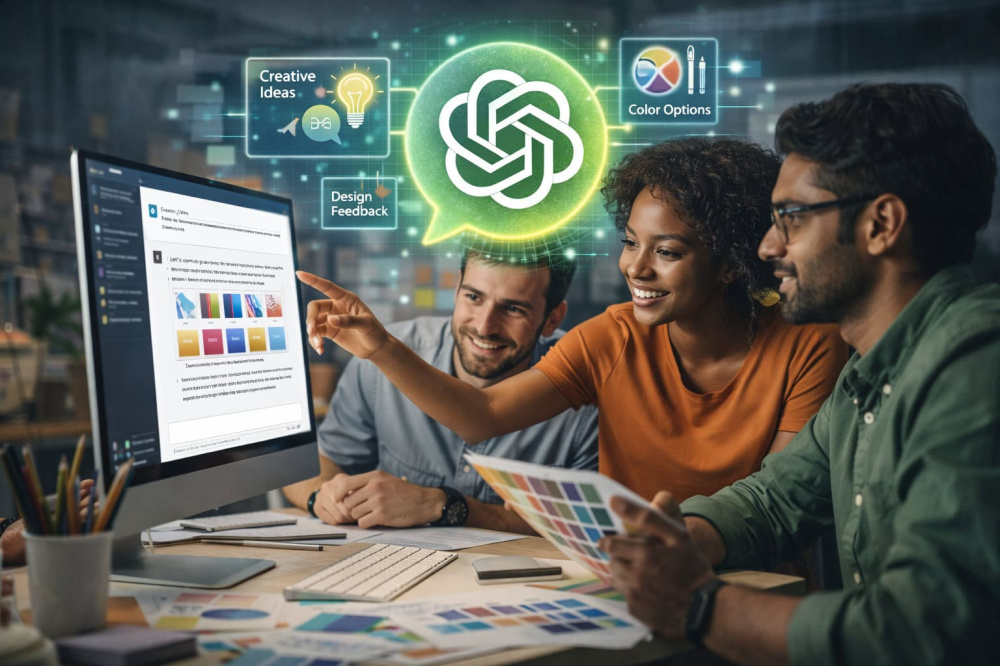
Design thinking relies on understanding problems, exploring possibilities, and iterating solutions. ChatGPT supports each of these phases by helping designers articulate problems more clearly and explore multiple directions quickly.
During the research phase, designers use ChatGPT to summarize insights, reframe user needs, and identify potential pain points. This helps ensure that design decisions are grounded in understanding rather than assumptions.
In ideation, ChatGPT encourages divergent thinking. By generating alternative perspectives and conceptual directions, it helps designers avoid creative tunnel vision and explore options they might not have considered independently.
“Great design emerges from questions, not answers.”
This makes ChatGPT a valuable companion in early-stage design thinking rather than a tool for final output.
Using ChatGPT for Concept Development and Visual Direction
Concept development is one of the most critical and challenging stages of design work. ChatGPT helps designers clarify themes, moods, and narratives before translating them into visuals.
Designers often use ChatGPT to explore metaphors, storytelling angles, and emotional tones. This is particularly useful in branding, campaign design, and editorial projects where meaning and coherence matter.
By working through concepts in text form, designers gain confidence and direction before committing time to visual production. This reduces rework and improves alignment with client or stakeholder expectations.
Common concept development tasks supported by ChatGPT include:
- Defining visual themes and creative directions
- Exploring metaphors and narrative frameworks
- Aligning concepts with brand values
This approach strengthens the foundation on which visual design is built.
ChatGPT in UX and Interface Design
In UX and interface design, clarity and user understanding are essential. ChatGPT assists designers by helping articulate user flows, interface logic, and interaction principles in plain language.
UX designers use ChatGPT to describe user journeys, anticipate questions, and refine microcopy. This improves usability and reduces friction in digital products.
ChatGPT also supports collaboration between designers, developers, and product managers. By translating design intent into clear explanations, it helps align teams and reduce misunderstandings during implementation.
“Good UX is invisible because it feels natural.”
This role reinforces ChatGPT as a communication and thinking tool rather than a visual design engine.
Improving Creative Workflow Efficiency with ChatGPT
Design workflows often involve repetitive cognitive tasks that slow down creativity. ChatGPT helps streamline these tasks by assisting with documentation, briefs, and internal communication.
Designers use ChatGPT to draft creative briefs, summarize feedback, and prepare presentations. This frees up mental space for exploration and experimentation.
ChatGPT also supports consistency. By helping document design systems, tone guidelines, and visual principles, it reduces reliance on memory and improves team efficiency.
Typical workflow efficiency use cases include:
- Drafting and refining design briefs
- Summarizing client or stakeholder feedback
- Documenting design systems and guidelines
“Creativity flourishes when friction is reduced.”
This balance between structure and freedom is key to sustainable creative work.
Limitations of ChatGPT in Design Work
Despite its benefits, ChatGPT has limitations that designers must recognize. It does not create original visuals, understand aesthetics intuitively, or replace human taste and judgment.
Design remains a deeply human discipline rooted in perception, emotion, and cultural context. ChatGPT supports thinking and articulation, but final creative decisions belong to designers.
Using ChatGPT responsibly means treating it as an assistant rather than a creative authority. When combined with experience and intuition, it enhances design outcomes without diminishing originality.
The Future of Design with ChatGPT
The future of design will be shaped by collaboration between human creativity and intelligent tools. ChatGPT represents a shift toward more reflective, structured, and intentional design processes.
As AI becomes more integrated into creative workflows, designers will spend less time organizing thoughts and more time crafting meaningful experiences. Conversational AI will likely become a standard layer in creative exploration.
For design blogs and creative professionals, ChatGPT offers a long-term topic that connects technology with artistic practice. Content that explores this relationship will remain relevant as design continues to evolve.
“The future of design is not automated creativity, but augmented imagination.”